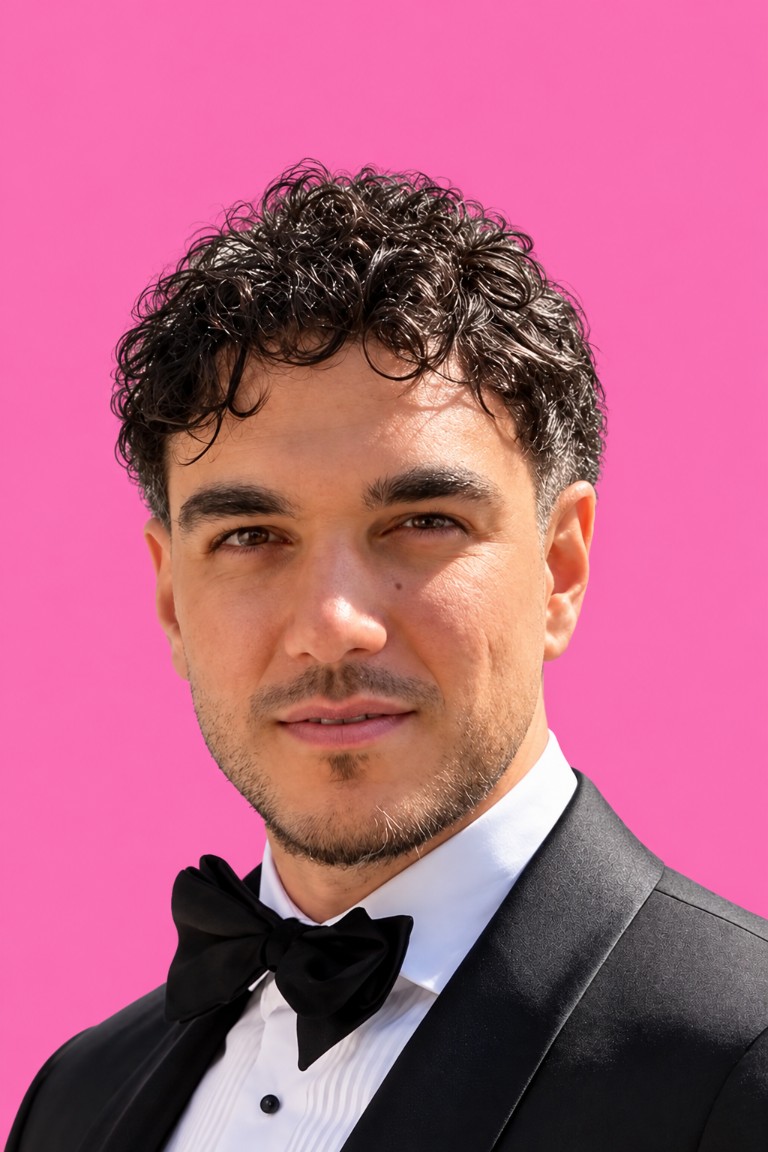
The surgeon
Dr. Mehrad
Jaberi
MD, MSc, FRCSC · Plastic, Reconstructive & Aesthetic Surgeon
Plastic, reconstructive and aesthetic surgeon. Careful assessment, individualized plans and plain-language conversation.
In brief
Serious about the science. Relaxed about the body.
Dr. Mehrad Jaberi is a Royal College of Physicians and Surgeons of Canada board-certified plastic surgeon (FRCSC) practising in Ottawa, Ontario. He leads PEXY, a dedicated breast surgery practice, where the whole conversation, from first question to follow-up, is about breasts and the people who have them.
His approach to breast surgery is individual by design. He explains what is possible for your anatomy, what is not, and what the trade-offs are, then leaves the decision to you.
Training & practice
A foundation in reconstructive and aesthetic surgery.
Education & advanced training
- Medical degree and plastic surgery residency at McGill University
- Master of Science in Surgical Education
- Fellowship training in aesthetic surgery in Marbella, Istanbul and Beverly Hills, including breast and body sculpting
Credentials & professional work
- FRCSC: Fellow of the Royal College of Surgeons of Canada
- Operating privileges at Queensway Carleton Hospital
- Member of the International Society of Aesthetic Plastic Surgery (ISAPS)
- Published research in facial reconstruction and scar-camouflage techniques; speaker at plastic surgery conferences
Philosophy
Thoughtful care for every breast and every story.
Breast surgery is never just a technical choice. It asks a surgeon to understand anatomy, listen to what matters to the patient, and weigh appearance alongside health, function, safety and the realities of recovery. Dr. Jaberi’s approach is grounded in careful planning, honest conversation and respect for each person’s right to choose.
- 01
Start by listening
Understand the person behind the request: their priorities, concerns, health, lifestyle and reasons for considering surgery. A consultation should make room for questions and for a patient's own pace.
- 02
Plan for the individual
Breast shape, skin, tissue, chest proportions, healing and goals differ. Recommendations should fit the individual, explain alternatives—including no surgery—and avoid a one-size-fits-all ideal.
- 03
Bring a reconstructive perspective
Breast reconstruction, including reconstruction after cancer treatment, can involve complex decisions about tissue, shape, symmetry, scars and staged procedures. That complexity calls for careful judgment and coordination with the patient's breast cancer and oncology team. It also reinforces the importance of treating every breast operation with respect for anatomy, function and the person’s priorities.
- 04
Make safety part of the plan
Review medical history and individual risks, explain expected recovery and possible complications, and recommend surgery only when the likely benefits and risks have been thoughtfully considered. Appropriate follow-up is part of care, not an afterthought.
- 05
Support informed decisions
Discuss likely benefits, limits, scars, alternatives, costs, recovery and uncertainty in plain language. The patient should have time to consider the information and decide without pressure.
- 06
Be honest about outcomes
Surgery can change shape and size, but cannot promise perfect symmetry, invisible scars, permanence or a particular emotional result. Every procedure has trade-offs and risks.
- 07
Respect every choice
There is no single correct breast shape, and choosing not to have surgery is a valid outcome. Care should be compassionate, private, culturally respectful and centred on the patient's goals.
PEXY focuses on aesthetic breast surgery. Cancer diagnosis and treatment are managed by the patient’s breast cancer and oncology care teams; reconstructive options should be discussed in coordination with them.
The consultation
What to expect when we meet.
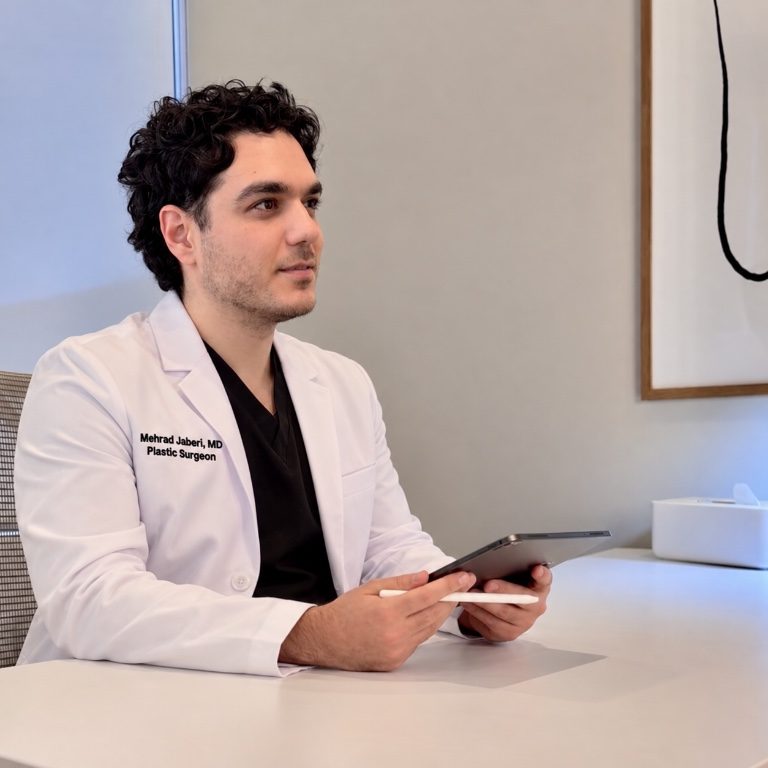
- A conversation about what you want to change, and why.
- A medical history review and, in person, a physical examination.
- Options that suit your anatomy, including ones you did not ask about, and not doing surgery.
- Risks, scars, recovery and limitations explained plainly.
- A written quote and time to decide. Booking a consultation is not booking surgery.
Your questions.
Your goals.
Your consultation.
A consultation is a conversation: your goals, your anatomy, your options and the honest trade-offs. Booking one is not booking surgery.